Clinical Data Animation Center · Stanford Medicine
Making brain data useful for neurological care
We develop and validate AI methods for EEG, sleep recordings and clinical records, to improve how neurological disease is measured, predicted and treated. We release the data and tools behind this work so other researchers can use them.
Led by M. Brandon Westover, MD, PhD, CDAC brings together clinicians, scientists and engineers at Stanford and collaborating institutions.
Who we are
- The group
- The Clinical Data Animation Center (CDAC), the research group of M. Brandon Westover.
- Based at
- Department of Neurology and Neurological Sciences, Stanford University School of Medicine.
- Led by
- M. Brandon Westover, MD, PhD, Director of the Stanford Epilepsy Center and of the Neurologic Artificial Intelligence Center.
- Platform
- CDAC runs the Brain Data Science Platform (BDSP), which shares clinical EEG, sleep and related datasets with researchers.
- People
- The team, affiliated investigators and collaborators
What we have built
Four examples, each with the evidence behind it. The full record is on the publications page.
EEG interpretation
A foundation model for reading clinical EEG
MORGOTH was developed and validated across multiple centres to interpret EEG automatically and comprehensively.
Sleep and brain health
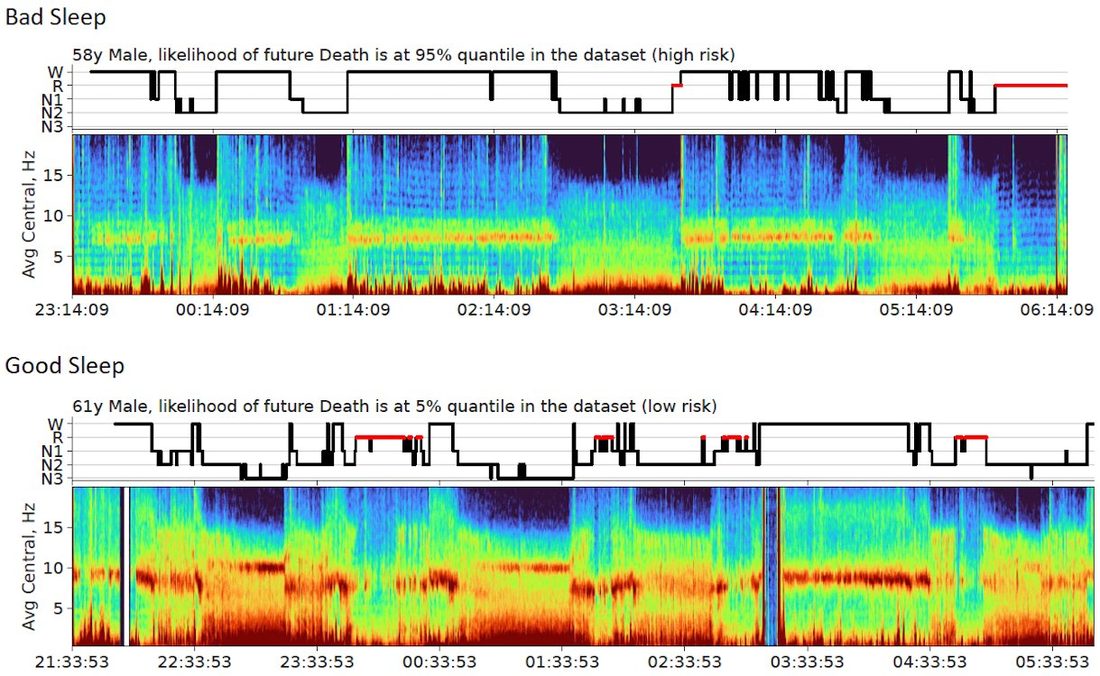
Measures of brain health from a night of sleep
Sleep EEG yields a brain age and a brain health score that track cognition and long-term outcomes.
Critical care
EEG patterns and recovery after cardiac arrest
A multicentre study of 1,000 patients in coma after cardiac arrest, alongside the I-CARE EEG database that we share with other researchers.
Shared data
Clinical sleep recordings across the human lifespan
The Human Sleep Project is a multi-centre polysomnography dataset, released through BDSP for other groups to build on.
Latest
- PreprintPredicting One-Year CPAP Adherence and Use Trajectories Utilizing Baseline and Early Use Data. is published in medRxiv
- PreprintMachine Learning Models Using Electronic Health Record Data to Predict Obstructive Sleep Apnea. is published in medRxiv
- PaperBetween patterns and predictions: Interpretable latent EEG representations for clinical insights. is published in Neuroimage Clin
- PaperClinical and imaging correlates of lateralized rhythmic delta activity: A multicenter cohort study. is published in Clin Neurophysiol
- PaperAn adaptive, variable-length test for certifying electroencephalographic spike-detection skill: A retrospective feasibility study. is published in Epilepsia
- PreprintLitBench: A Benchmark for Retrieval-Grounded Multi-Paper Evidence Synthesis in Epilepsy. is published in medRxiv